Back to all posts

RV Storage: a Guide for Self-Storage

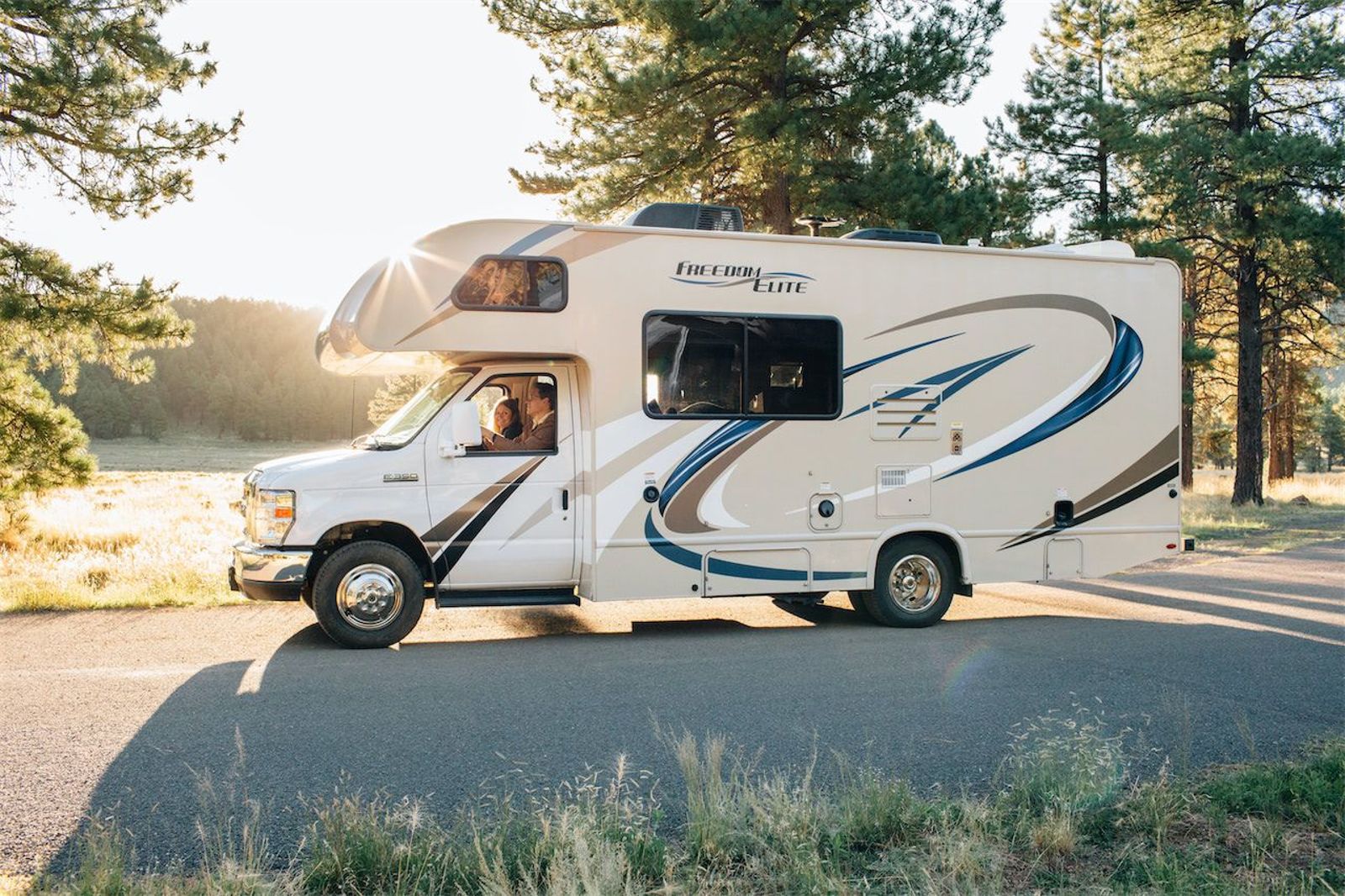
An RV parked near trees

If you're like most RVers, you can't wait to hit the open road as soon as the weather starts to warm up. But before you head out on your next adventure, properly preparing your RV for storage is essential. With some planning, you can help ensure that your RV is in top condition when you're ready to hit the road again.

South Rock Storage offers the following tips for preparing your RV for storage. Please note that these are our recommendations. Do your research, and consult your owner's manual for specific instructions.

Clean your RV

One of the most important things to do before storing your RV is to give it a thorough cleaning. This will help remove any dirt, dust, or debris that could cause problems while your RV is in storage.

Start by cleaning the exterior of your RV using a mild soap and a soft brush. We also recommend washing (and waxing) the exterior to protect the paint job. Then move on to the interior, paying particular attention to any areas where food is prepared or stored.

Be sure to empty all cabinets and closets so that any food or other perishables don't go wrong. Once everything is cleaned out, give your RV a good wash and wax to help protect the exterior from the elements.

Once you're finished, open all the cabinets and doors to help air circulate throughout the RV.

Check your tires

Check your RV's tires before storing them for an extended time. If possible, keep your RV on level ground to help prevent flat spots from developing on the tires. Also, if you'll be storing your RV for more than a few months, consider removing the tires and keeping them indoors. This will help protect them from weather damage and extend their life.

Check your fluids

All the fluids in your RV, including the engine oil, antifreeze, and propane, should be at proper levels one or two days before storing your RV. This will help keep the engine in good condition while it's not in use. Be sure to consult your owner's manual for specific instructions on how to check the fluids in your RV.

Additionally, it's a good idea to fill up the gas tank (using a gas stabilizer) to prevent any moisture or breakdown of the gasoline while the RV is in storage.

Then, we recommend driving the RV for a bit after changing the oil to give the new oil a chance to circulate correctly. You should also run the engine for a few minutes every few weeks while your RV is in storage to help keep the engine in good working condition.

Cover your RV

If you'll be storing your RV outdoors, investing in a quality cover is a good idea. Be sure to choose a cover specifically designed for RVs and large enough to cover your entire rig. This will help protect your RV from the elements and keep it clean while it is being stored.

Disconnect the batteries

If you'll be storing your RV for more than a few weeks, it's a good idea to disconnect the batteries. This will help prevent them from losing their charge while your RV is in storage. If possible, store the batteries in a cool, dry place.

Repair damages before storage

Ensure all necessary repairs are taken care of before storing your RV. For example, if you know your RV's tires are worn, go ahead and get new ones to put on before you store them for the winter. This will help avoid long wait times in spring and ensure that you can get back on track as soon as possible.

The same goes for any other maintenance items such as oil changes or filter replacements. This will give you peace of mind during the off-season and help ensure your RV is in top condition when you're ready to hit the road again.

Double check your owner's manual

Be sure to consult your RV's owner's manual for specific instructions on preparing your rig for storage. Each type of RV has unique needs, so it's essential to follow the manufacturer's recommendations to help avoid any problems down the road.

Choose the best storage facility

When storing an RV, choosing the best storage facility is essential. RVs are a valuable investment, and you want to ensure that your investment is well protected.

The best storage facilities for RVs offer several features that help to keep your RV in top condition. These features include security cameras and gated access. Security cameras help to deter criminals, while gated access helps to keep out trespassers. By choosing a storage facility that offers these features, you can help to ensure that your RV is well protected.

South Rock Storage is a storage facility in Wichita that offers all of the abovementioned features. We have been in the business since 2006 and offer various storage options for your consideration. In addition, South Rock Storage is conveniently located at 8282 E Oak Knoll St, Wichita, KS. This makes it easy for you to get to your RV when needed.

Note that the above tips on preparing your RV storage are only recommendations. Check your owner's instruction manual for specific instructions on how to prepare your RV for storage.

You may also like...

Hand held up to the camera in a stop motion

Sorry, You Can't Live in a Storage Unit...and Other Prohibited Items

You can't live in a storage unit as it differs from an apartment. Here's also a list of common prohibited items in storage units.

No, you can't live in a storage unit. This is probably the most common rule, and for a good reason. Self-storage is a great way to store your belongings and essential moving supplies when you don't have the space. It is not meant for human habitation. That's just one of the many items prohibited by most self-storage providers.While each facility has its own list of prohibited items to protect its clients' safety and security, some general rules apply to all. Hence, when selecting a facility, it is crucial to be aware of the list of commonly prohibited items, which may be a deal breaker for some people.This article will discuss commonly prohibited and limited things at a storage facility.Why You Can't Live in a Storage UnitSome people think they can live in a storage unit, but this is not the case. You cannot live in one mainly because they are not designed for residential purposes. There is no running water, no kitchen, and no bathroom. While some people may try to make it work, it is not ideal.These facilities are typically designed for long and short-term storage, meaning people will store their belongings for a while. Such an environment is not conducive for living, as you need a place where you can stay with acceptable living conditions.Additionally, these facilities are often closed off from the public, meaning that you would not have access to the same amenities that you would if you were living in a traditional apartment complex, home, or other legal housing option.You can't live in a storage unit. Same with your petsMany self-storage providers do not allow pets, and those that do allow pets have restrictions on the size and type of pet that can be stored.Pets are prohibited for a variety of reasons. The most common reason is that pets can damage property. They can scratch or bite the furniture, walls, and doors in the storage unit.Pets can also track in mud and dirt, damaging the storage unit's flooring. Some facilities also have rules against leaving food out and attracting pests like rats and cockroaches.Some facilities are in shared residential areas, and landlords do not want tenants with pets because they may cause noise or odor issues.Things to Avoid for Self StorageBelow are some items people mistakenly believe they can store in a self-storage unit. While some places, including South Rock, allow for the storage of some of these items, there may be restrictions.Hazardous MaterialsSelf-storage providers prohibit dangerous materials to protect their customers, employees, and the general public. Self-storage units are not designed to store hazardous materials like gasoline, oil, or pesticides. They are a closed environment, which can be dangerous if hazardous materials are present. For example, if a fire started in a storage unit with hazardous materials, the smoke from the fire could be toxic, and everyone in the vicinity could be harmed.Many facilities are located near residential neighborhoods, so it is essential to keep any potential dangers away from these areas.ChemicalsSome types of chemicals can damage the contents of a storage unit, and in some cases, it isn't even possible to store them. This includes bleach, gasoline, and other flammable or poisonous liquids.Chemicals are prohibited because they can corrode and damage the property stored in the facility.Chemicals can also be harmful to people and cause respiratory problems. To protect the safety of their tenants, facilities prohibit the storage of many chemicals.PerishablesSelf-storage is not the best place to store perishable items like food, beverages, and flowers. These items can become spoiled in a very short time, and the unit may never be able to be rented out again.There are a few reasons why most facilities prohibit perishables. The first reason is that it's challenging to keep track of what's in each unit when food items are present.The second reason is that food can attract insects and rodents and infest the entire facility. Many facilities have rules against storing perishable and unpackaged food to keep their units clean and pest-free.Batteries and Electrical ItemsIf you're looking for a safe place to store your belongings, a non-climate-controlled facility is not the place for batteries or electrical items. Some facilities don't allow these items due to their fire hazards. Not only could a battery start a fire, but it can also release harmful fumes that can be dangerous to both you and the other tenants in the facility.Battery-operated devices like video game systems, computers, tablets, and cell phones can also create a fire hazard. If one of these items were to malfunction or become damaged, it could quickly start a fire. Because of this fire hazard, many electronics and battery-operated devices should be stored in climate-controlled units, no matter their size.AppliancesSome units may allow the storage of appliances such as stoves, microwaves, and refrigerators. However, all appliances must be checked with the facility to ensure they are safe to store.In general, most facilities have restrictions or rules on appliances because they can create a fire hazard. Some appliances contain oil or gas that can easily ignite, leading to a dangerous fire.Many appliances take up a lot of space and can be challenging to move, which can cause problems for other tenants in the storage facility.Some appliances can also damage the property in the storage unit. Aside from cases where appliances have caused fires in these facilities, there is also the potential for water damage if a refrigerator leaks or a washing machine overflows.Illegal Weapons and SubstancesThe reasoning behind this rule is simple: self-storage businesses are a public place, and as such, illegal weapons and drugs cannot be stored on their property. In addition, by prohibiting these items, the facilities can help protect their customers and employees from potential harm.While it may be inconvenient to leave illegal weapons or substances at home, it is essential to remember that the safety of everyone involved is at stake. So if you're looking for somewhere to store your belongings, make sure you check the list of prohibited items first.Types of Self-Storage UnitsThere are many different types to choose from. You can rent storage space by the month or year, and there are many different sizes of units to choose from. The most common type is a traditional self-storage unit, a room or garage-sized unit you can rent by the month.These units are typically climate controlled, meaning they are kept at a steady temperature and humidity level to protect your belongings.Other popular types include:Vehicle StorageVehicle storage can be a great solution when you need to free up your garage or driveway space. Self-storage facilities offer indoor and outdoor parking spaces perfect for storing cars, trucks, motorcycles, boats, RVs, and other vehicles. You can typically rent a space by the month or year, and many facilities offer discounts for longer-term rentals.When choosing a self-storage facility for vehicle storage, be sure to ask about security features like locked gates and security cameras. You'll also want to ensure the facility is well-lit and has easy access so you can get to your car when needed. If you're looking for a climate-controlled environment, be sure to ask about the temperature and humidity levels in the facility's parking spaces.Vehicle storage can be a great way to keep your car safe and secure while freeing up space in your home or garage.Climate-controlled storage unitsThese units may be smaller than some of the larger traditional self-storage units available, but they offer all the benefits of climate control. They're perfect for storing documents, furniture, or any other items that need to be kept in a controlled environment.Final ThoughtsWhile storage units can be a convenient and affordable option for short-term storage, they are not suitable for long-term living. The lack of privacy, space, and amenities can make living in a storage unit uncomfortable and impractical. If you are looking for a place to live, please consider other options.Self-storage is a great way to store your belongings, but make sure to check with your local company to see what is and is not allowed. Contact South Rock Storage today. We are an award-winning self-storage facility in Wichita, KS! We have been in business since 2006 and have an excellent reputation for providing affordable, secure storage.We offer storage units as well as expert storage solutions for the entire area. Our clean, safe, and secure facility offers a variety of storage unit sizes to accommodate your needs.
A stack of business documents getting prepared for storage

How to Store Documents Safely in a Storage Unit

Worried about your sensitive documents getting damaged? Here are some tips on how to store important documents in self storage.

When it comes to storing important documents at a storage facility, everyone has questions on how to store documents safely in a storage unit. In this guide, we'll offer tips to keep your documents safe without worrying they'll be damaged or stolen.Reasons to Use a Self-Storage FacilityThere are many reasons to use a self storage facility to store your personal and business documents:A self storage facility provides a secure place to store your documents. Unlike a typical home, a self storage facility has security cameras and gates that require a key or access code to enter. This means that only you (and the people you authorize) can access your documents.A self storage facility is climate controlled. This means that the temperature and humidity levels in the facility are kept consistent, which prevents your documents from being damaged by extreme temperatures or moisture.It is accessible 24 hours a day, 7 days a week. This means that you can access your documents whenever you need them, even if the office where you normally work is closed.You can pack and unpack your documents by yourself. This means that you can store your documents in the way you want and only access the documents you need at a given time. There are a lot of benefits to storing your documents in a self storage facility in Wichita, but the best reason is saving money. How? Personal documents, especially important ones, can't be stored in garages or attics without risk of the paper deteriorating. To control the relative humidity, they need to be stored within your home. The problem is this takes up valuable space within your home which may lead you to believe you need to upgrade. By using a dedicated storage unit for your personal documents you keep your documents in good condition and free up valuable square footage in your home. Businesses have a clear need for document storage and a need to maintain profitability. Self storage allows them to keep their documents secure, choose from different size storage units, and save on the costs of increased commercial office space. How to Choose a Self Storage FacilityWhen it comes time to choose a self storage facility to store sensitive documents, you'll want to be sure to do your research. Not all facilities are created equal, and some may be more secure than others. Here are a few tips on how to choose the best self storage facility for your needs:Ask around for recommendations. Friends, family, and colleagues may have personal experience with different storage facilities and can recommend one that is right for you.Check out the security features of each facility. This includes things like fencing, security cameras, and on-site staff.Read reviews online. This can give you a good idea of the quality of service offered by different facilities.Compare prices between facilities. Make sure you are getting the best deal possible for the amount of space you need. Note though that some facilities do not post their prices on their websites, so you may need to call to get a price quote.Make an appointment and go see the facility first hand. At this appointment you'll get to know the staff and can ask some questions about how this facility is different from others in the area.How to Prepare your Documents for Safe StorageWhen it comes time to store your sensitive documents, you want to be sure to take the necessary precautions. By following a few simple tips, you can ensure that your important papers are kept safe and secure.One of the most important things to remember is to choose a reliable self storage facility. Make sure to ask about security measures, such as video surveillance and on-site staff.Make sure you have a plan for retrieving your documents if needed. Know who to contact at the self storage facility in case of an emergency, and be sure to keep track of the access code or key that allows you into the unit.Finally, be sure to pack your documents carefully. You'll want to use packing materials that will protect them from moisture and dust. And don't forget to label each box with a description of its contents.How to Pack Your Sensitive Documents Before StorageSelf-storage facilities provide a convenient and affordable way to store your documents safely, but it is worth taking some precautions while packing. Here are a few tips for storing documents at South Rock Storage. Make sure all documents are properly sealed in plastic bags or envelopes. This will help protect them from any possible damage. If possible, store your sensitive documents in an airtight container. This will help keep them from getting musty or moldy.Label each bag or envelope with a description of the contents. This will help you to keep track of your documents when picking them up.If possible, create an inventory list of all the documents you are storing. This will help you to make sure that you have all of your sensitive documents in the storage unit. If possible, put a label on the outside of each bag or envelope with the date it was taken out of your office or home.Store the bags or envelopes in a secure location within your self storage unit. This will help to keep them in the same condition as they were when you originally took them out of your office or home.Keep the inventory list up to date, and review it regularly. This will help you to make sure that your documents are properly stored at all times.Final ThoughtsStoring your sensitive documents in a self storage facility is a great way to keep them safe and secure. By following the tips mentioned in this article, you can be sure that your documents will be well protected. If you are looking for a self storage facility in Wichita KS, be sure to check out the options available at South Rock Storage. We have been helping individuals and company store their documents safely since 2006 and are here to help. Give us a call at
Your life, safely stored.

Book your unit today!

If you are looking for an affordable storage facility with a clean atmosphere, top-notch security, and a friendly staff you've come to the right place.
FAQ

You have questions, we have answers.

When can I move in? 

If there is a storage space available that meets your specific storage needs you can move in anytime.

How much notice needs to be given before I move out? 

All contracts are month-to-month. However, we do require a 10 day notice before you move out.

What type of documentation do I need to provide in order to rent a space? 

We require a government issued photo ID (example: driver’s license, state ID, or passport)

How do I make a payment? 

VISA, MasterCard and Discover (credit / debit) are the preferred method of payment. We also accept checks or money orders.

Are there any items that I am not able to store? 

Liquids, explosives, flammable liquids, toxic materials and perishables. Please contact us if you have any questions regarding a specific item.

Does there have to be someone to let me through the security gates? 

No. At the time of signing you will be given your own security pass code that will allow you convenient access to your unit.

What forms of payment do you accept? 

For your convenience, we suggest signing up for automatic payments – using your valid credit card (VISA, Mastercard, or Discover) or debit card. There is no additional charge for this convenience and it avoids late fees. We also have a drop box for after hour payments.

Do I need to sign a long-term lease? 

No, we rent on a month-to-month basis unless the customer requests otherwise.

Do I need to bring my own lock? 

No. As part of the Move In process, a INSET lock is included with the small admin fee. This type of lock is nearly impossible to breach – and only you will have a key for it. In addition, you may double lock the door, if you prefer.

What are the office hours? 

Tuesday - Friday: 9AM – 5PM
Saturday: 9AM – 4PM
Monday, Sunday: CLOSED

We're conveniently located in Wichita, KS

8282 East Oak Knoll St.,
Wichita, KS 67207

Contact us

We're here to help you find the perfect unit.

Our team is standing by,
ready to assist you.

Office Hours
Monday: CLOSED
Tuesday: 9AM - 5PM
Wednesday: 9AM - 5PM
Thursday: 9AM - 5PM
Friday: 9AM - 5PM
Saturday: 9AM - 3PM
Sunday: CLOSED
We look forward to speaking with you!
Thank you! Your submission has been received!
Oops! Something went wrong while submitting the form.